
Keys to Optimal Mental Health

I recently attended the 14th Annual EQ Summit on the campus of Weimar University, from March 14 to 17. I have always been interested in the topic of emotional intelligence (EQ). The theme of this year’s conference was, “Transforming the Mind.” We currently face a growing crisis of mental health disorders in this country. These conditions have taken a tremendous toll on our quality of life and general health. The impact is significant. What is the answer to this problem? The sad reality is that our current medical treatments do not seem to be effective. Dr. Tom Insel, who was director of the National Institutes of Mental Health for 13 years, stated in 2017 as he was leaving his post, “I spent 13 years at NIMH really pushing on the neuroscience and genetics of mental disorders, and when I look back on that, I realize while I think I succeeded to get lots of really cool papers published...at fairly large costs—I think $20 billion—I don’t think we moved the needle in reducing suicide, reducing hospitalizations, improving recovery for the tens of millions of people who have mental illness.” According to Dr. Insel, the current medical therapies are minimally effective.
Are there any effective treatments for these mental health conditions? Dr. Neil Nedley and the other presenters at the EQ Summit presented on numerous alternative treatments with plenty of scientific evidence to support their efficacy. Dr. Nedley shared that according to research conducted by Dr. Christopher Palmer, assistant professor of psychiatry at Harvard University, metabolic disorders were consistently found in people with mental health disorders. These are the same metabolic disorders found in people with obesity, diabetes, and cardiovascular disease. Essentially, all the risk factors for these metabolic disorders are the same for mental health disorders. Dr. Palmer states these following factors affect the metabolism in our brains, “diet, exercise, drug and alcohol use, nicotine, sleep, hormones, inflammation, genetic, epigenetics, gut microbiome, relationships, love, stress, meaning and purpose in life.”1 This, and other recommendations essentially mimic our health message as encapsulated by the acronym NEWSTART, which stands for Nutrition, Exercise, Water, Sunshine, Temperance, Air, Rest and Trust in God.
As I listened to each of the presenters, they were basically recommending NEWSTART lifestyle habits based on scientific evidence as the most effective treatment for the health of our brains. We generally think of NEWSTART as lifestyle habits for our physical health, but I learned that, just as our physical health needs special care and attention in our lives, our brain health does as well. In fact, the very same NEWSTART lifestyle habits that are important to optimize our physical health are the exact same treatment recommendations to optimize our mental health. A healthy diet is not only necessary for good physical health but for good intellectual and emotional health as well. Exercise and sleep are not only important for our bodies but perhaps even more so for our mind. The same is true for sunshine, air, water, temperance and trust in God. These lifestyle habits promote our mental health.
It is quite humbling and encouraging to know that many of the recommendations that are now supported by scientific studies in the current academic circles have been part of our Seventh-day Adventist identity for over 150 years through God’s gift to us by the inspired writings of Ellen White. I am reminded of the Bible verse, “. . . Believe in the LORD your God, so shall ye be established; believe his prophets, so shall ye prosper. 2 Chronicles 20:20. After attending the conference, I have been convicted to increase my resolve to follow God’s health principles for our lives to be the best version of ourselves for God’s glory with optimal physical and mental health.
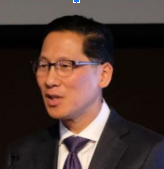 Charles Ahn serves as an elder at the Lombard Seventh-day Adventist Fellowship. He is married with three sons and works as an ophthalmologist in the western suburbs of Chicago.
1Christopher M Palmer, Assistant Professor of Psychiatry, Harvard University, Brain Energy, BenBella Books Dallas, Texas 2022, p. 79.